
Skip links
Pneumatic and electric actuation
Industrial Automation

Pneumatic and electric actuation

Pneumatic and electric actuation: power, precision, and reliability for every application.

The pneumatic and electric actuation represents a key element in modern industrial automation systems. pneumatic actuators, powerful and simple to use, guarantee efficiency and robustness, while the electric actuators, precise and easily integrated with digital systems, ensure motion control and maximum repeatability. Together, they offer reliable and high-performance solutions for a wide range of applications.

Applications -

    Applications -

      Applications -

        Applications -

          Typology -

          Typology -

            Typology -

              Typology -

                Typology -

                  Typology -

                    Typology -

                      Typology -

                        Typology -

                          Typology -

                            Typology -

                              Typology -

                                Typology -

                                  Typology -

                                    Regulation +

                                      End regulations +

                                        Materials +

                                        Diameter +

                                          Temperature +

                                          Pressure +

                                            Certifications +

                                            Supplier +

                                            Applications -

                                              Applications -

                                                Applications -

                                                  Applications -

                                                    Typology -

                                                    Typology -

                                                      Typology -

                                                        Typology -

                                                          Typology -

                                                            Typology -

                                                              Typology -

                                                                Typology -

                                                                  Typology -

                                                                    Typology -

                                                                      Typology -

                                                                        Typology -

                                                                          Typology -

                                                                            Typology -

                                                                              Regulation +

                                                                                End regulations +

                                                                                  Materials +

                                                                                  Diameter +

                                                                                    Temperature +

                                                                                    Pressure +

                                                                                      Certifications +

                                                                                      Supplier +

                                                                                      Pneumatic and electric actuation: automation solutions

                                                                                      High-quality pneumatic and electric actuation components for every application need

                                                                                      Pneumatic and electric actuation technology now represents the standard for motion control in industrial applications. These solutions are designed to offer efficiency, reliability, and ease of integration into automation systems, covering requirements ranging from power to the most extreme precision.

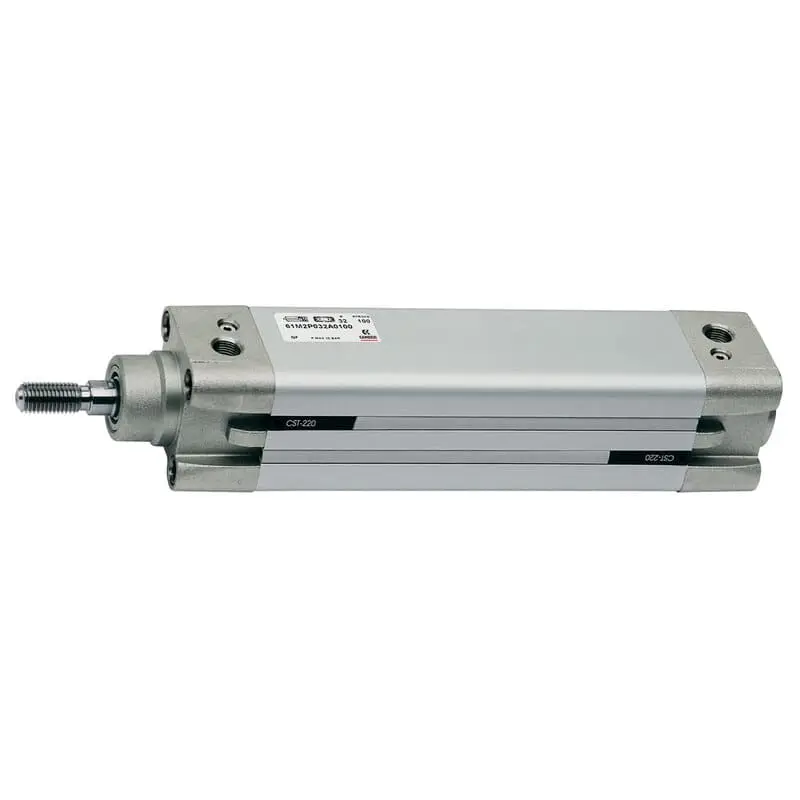
                                                                                      Pneumatic actuators use compressed air energy to generate rapid, consistent movements, with a simple, robust, and easy-to-maintain design. These devices are ideal for applications where speed and durability are key, making them widely used in production lines and systems requiring continuous operation.

                                                                                      In contrast, electric actuators convert electrical energy into mechanical energy through systems such as ball screws or belt drives. They are particularly suitable for applications requiring high precision, accurate control, and the possibility of integrating with digital and IIoT systems. In addition to ensuring repeatable motion, they also offer environmental benefits, reducing energy consumption and noise levels.

                                                                                      Camozzi pneumatic and electric actuators are made with high-quality materials and technologies, designed to adapt to a variety of application needs. From the food and packaging industries to assembly and advanced automation, these solutions ensure consistent performance over time, reliability, and maximum operational safety.

                                                                                      FAQ – Frequently Asked Questions about Pneumatic and Electric Actuation

                                                                                      What is pneumatic and electric actuation?+

                                                                                      Pneumatic and electric actuation refers to technologies that convert a control signal into mechanical motion, using compressed air or electrical energy to operate valves, cylinders, or other automation devices.

                                                                                      What are the main advantages of pneumatic actuation?+

                                                                                      Pneumatic actuation offers extraordinary speed and high force, thanks to its simple design and the use of compressed air. It is reliable and particularly safe in hazardous environments, as it does not produce sparks or fire hazards. Furthermore, it is resistant to harsh conditions such as dust, humidity, or extreme temperatures.

                                                                                      What are the differences between pneumatic and electric actuators?+

                                                                                      Pneumatic actuators operate with compressed air and are ideal for rapid movements and frequent cycles. Electric actuators, on the other hand, offer more precise control, greater energy efficiency, and require less maintenance.

                                                                                      Why choose electric actuation?+

                                                                                      Electric actuators offer precise positioning, advanced speed and force control, and maximum energy efficiency, consuming power only when needed. They are perfect for applications requiring tight tolerances, are quiet, and more sustainable than pneumatic or mechanical solutions.

                                                                                      When is it best to use a pneumatic actuator?+

                                                                                      Pneumatic actuation is preferable in industrial environments with harsh conditions, such as high temperatures, dust or humidity, and when a rapid, cyclic response is required.

                                                                                      In which sectors are pneumatic and electric actuators most used?+

                                                                                      Pneumatic actuators are ideal for harsh environments, rapid operations, and frequent work cycles. Electric actuators are used in industries requiring precision and integration with digital systems: food & beverage, packaging, assembly, and robotics.

                                                                                      Are electric actuators more efficient than pneumatic ones?+

                                                                                      In many cases, yes. Electric actuators are more precise, consume less energy over the long term, and offer better motion control. However, the choice always depends on the specific application.

                                                                                      What is a pneumatic cylinder and how does it work?+

                                                                                      A pneumatic cylinder converts the energy of compressed air into linear motion through a piston. It can be configured as double-acting, with air applied to both sides, or single-acting, where return is provided by a spring or gravity. Each choice depends on the application, required force, speed, and precision.

                                                                                      How to choose the right component for pneumatic and electric actuation?+

                                                                                      It's essential to evaluate factors such as operating pressure, speed management, type of motion required (linear or rotary), operating environment, and compatibility with other system components. Universalflex experts are available to help you make the best choice.

                                                                                      Contact us for a consultation or to request a quote

                                                                                      Do you need technical support or want to request a quote?
                                                                                      Fill out the form below and one of our technicians will contact you as soon as possible.

                                                                                      We will be present at the
                                                                                      Cibus Tec and SIMEI 2026!

                                                                                      Cibus Tec from 27 to 30 October 2026 in Parma.

                                                                                      Hall 3 – Stand G050.


                                                                                      SIMEI from 17 to 20 November 2026 in Milan.

                                                                                      Hall 3 – Stand D30.

                                                                                      Come visit us!