

Cibus Tec 2026 Special: Technologies, Components, and Solutions for Food & Beverage Systems
From October 27 to 30, 2026, Fiere di Parma will host Cibus Tec, the...
From October 27 to 30, 2026, Fiere di Parma will host Cibus Tec, the...
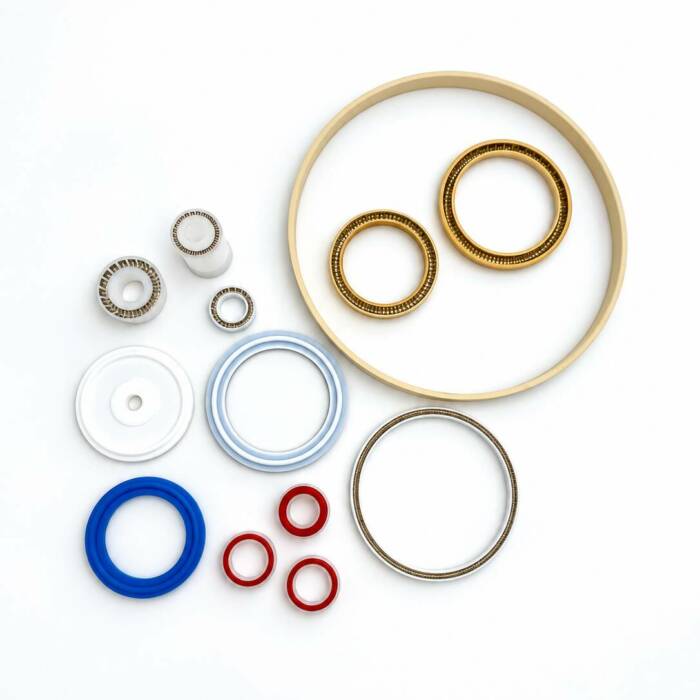
PTFE (polytetrafluoroethylene) is the leading fluoropolymer for industrial seals...
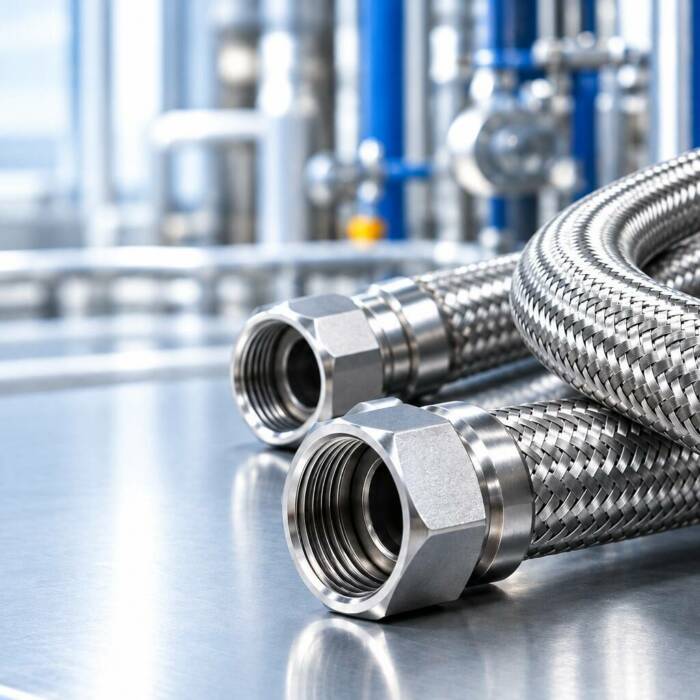
When a system must convey steam, technical gases, cryogenic fluids, or aggressive chemicals,...
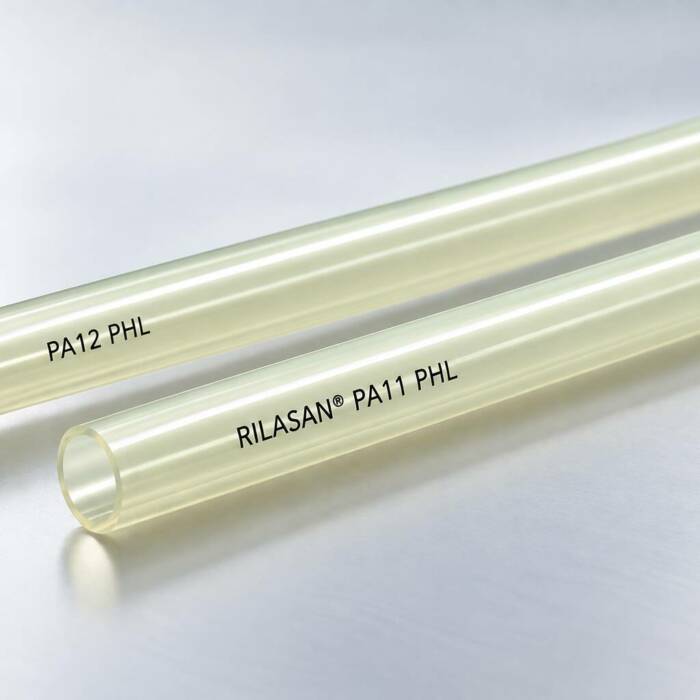
When designing a pneumatic circuit or replacing a pipe...
At the beginning of this column, we described the hydraulic system as a living organism: the pump...
Anyone who works in a dairy, winery, or beverage plant is familiar with the DIN 11851 fitting : the round nut that is tightened by hand, or with a wrench, to connect pipes, pumps, tanks, and valves. Originally developed in Germany for the dairy industry, so much so that it is still called a "dairy coupling" today, it has become one of the most widely used standards in European food processing plants.
In this guide we analyse how a DIN 11851 fitting is made, how to choose the right gasket, what its strengths and limitations are from a hygienic point of view, how it compares with other standards and in which sectors it is used.
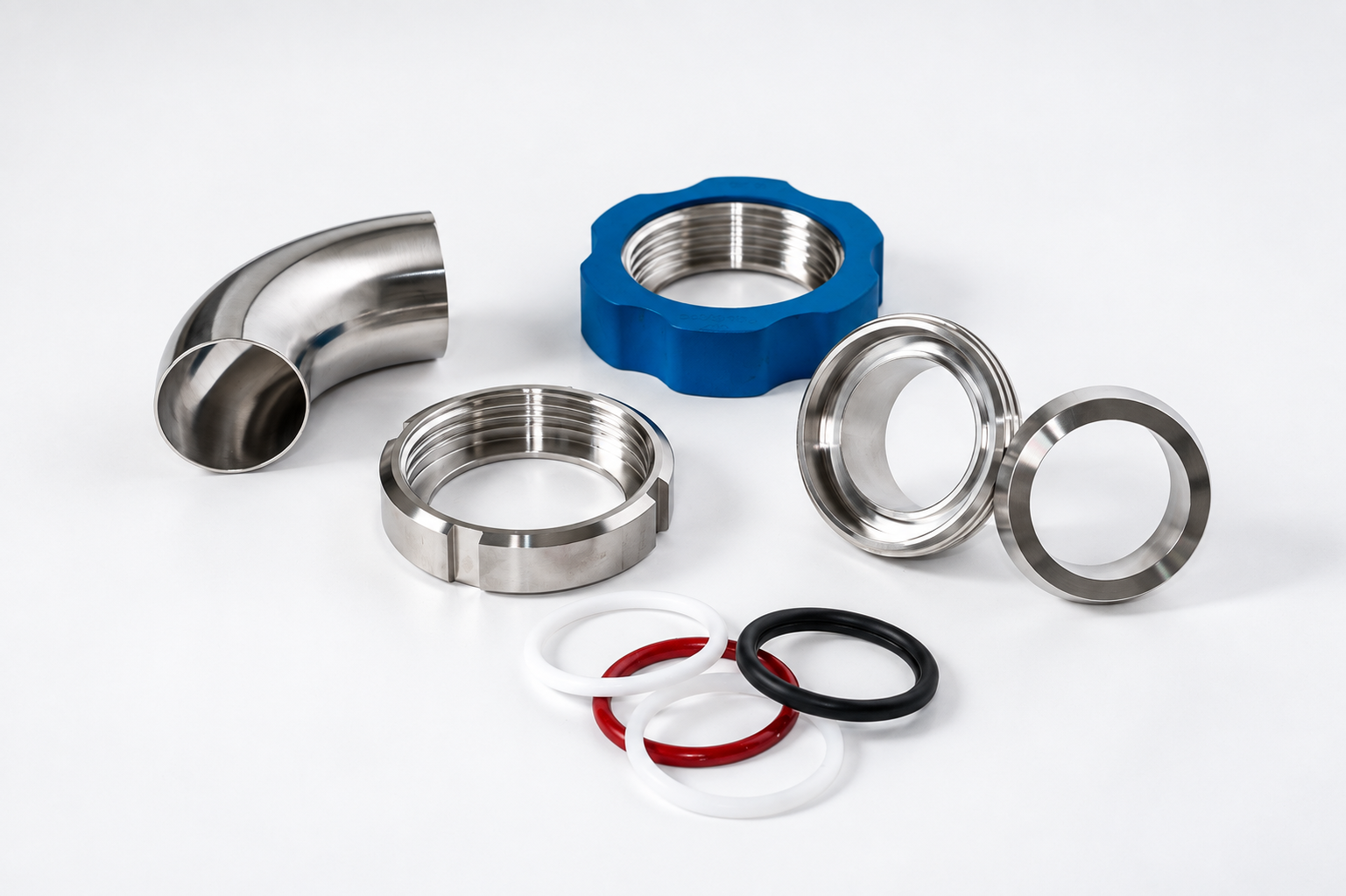
DIN 11851 is the German standard that defines the dimensions and characteristics of detachable stainless steel threaded fittings for the food, chemical, and pharmaceutical industries. Its main advantage is interchangeability : fittings from different manufacturers, if built according to the standard, can be connected without adapters.
The standard covers nominal diameters from DN 10 to DN 150 and uses a round thread , indicated by the abbreviation Rd, which is much more resistant to impacts and easier to clean than a triangular profile thread.
The fitting parts connect to the system in different ways:
The range is completed with bends, tees, reducers, caps, and adapters. Universalflex offers a wide selection of DIN 11851 fittings in AISI 304 and AISI 316L stainless steel, with a polished internal finish for food-grade applications.
The standard provides for maximum operating pressures that decrease as the diameter increases:
Note: The actual limit of the system always depends on the gasket compound, the working temperature and the type of tightening.
In a DIN 11851 fitting, stainless steel guarantees mechanical resistance, but it is the gasket that determines tightness, compatibility with the product and durability over time.
| Material | Key features | Typical uses | To be avoided |
| EPDM | Excellent resistance to hot water, steam and alkaline detergents | Beverages, water, juices, lines with frequent CIP cleaning | Oils and fats |
| NBR | Good resistance to fats and oils | Milk, cream, edible oils, fatty products | Steam and prolonged high temperatures |
| FKM (FPM) | High chemical and thermal resistance, even to aromas | Aggressive products, essential oils, high temperatures | Prolonged saturated steam, some alkaline solutions |
| Silicone (MVQ) | Wide temperature range, inert and odorless | Delicate products, hot and cold applications | High mechanical stress, oils |
| PTFE | Almost total chemical inertia, high temperature | Aggressive products, solvents, multi-product lines | Assembly with uncontrolled tightening: PTFE is rigid and not very elastic at low temperatures |
For the food industry, blue and metal-detectable gaskets are also available , which, in the event of breakage, allow any fragments to be detected either visually or with line inspection systems. Universalflex supplies DIN 11851 gaskets in PTFE, silicone, NBR, EPDM, and FKM.
The DIN 11851 fitting is widely appreciated for its robustness and ease of assembly and disassembly without complex equipment. For this reason, it is used in system areas requiring frequent inspection or manual cleaning.
From a hygienic design perspective, however, it has a known limitation: in the standard version, the gasket compression is not controlled . If the ring is tightened too much, the gasket can protrude into the duct; if it is tightened too little, a small gap remains between the gasket and the steel. In both cases, this creates a point where the product can stagnate and which CIP cleaning is difficult to reach.
For this reason, in the most critical applications, such as aseptic processes or particularly sensitive products, standards designed for controlled compression of the gasket, such as DIN 11864, or Clamp fittings, are preferred.
In existing DIN 11851 systems, it is still possible to improve hygienic performance with some measures:
| Standard | Connection type | Hygienic features | Typical uses |
| DIN 11851 | Threaded with swivel | Good (uncontrolled gasket compression) | Dairy, wine, beverage, canning |
| Clamp (CLAMP BS 4825, DIN 32676, ISO 2852) | Clamp with gasket between two fittings | Very good (very quick disassembly) | Pharmaceutical, cosmetic, breweries, beverage |
| SMS | Threaded with swivel | Similar to DIN 11851 | Canning and dairy products |
| DIN 11864 | Threaded, flanged or clamp, with controlled compression seal | Elevate; designed for aseptic processes | Aseptic, pharmaceutical, sensitive products |
Different standards are not compatible: connecting components with different connections requires dedicated adapters. Universalflex supplies fittings according to all major standards, including DIN 11851, DIN 11853, DIN 11864, Clamp, SMS, and Garolla. For more information on materials and selection criteria, please consult our technical guide to stainless steel fittings.
DIN 11851 defines dimensions and fits, but not the food safety of materials. Fittings and gaskets must also comply with regulations on materials intended for contact with food, such as Regulation (EC) 1935/2004 (MOCA) and, for export, FDA regulations. For steel, it is useful to request the EN 10204 3.1 certificate, which guarantees the traceability of the material.
Universalflex supplies the entire DIN 11851 system: stainless steel fittings, gaskets in all major materials, and ready-to-install DIN-compliant food-grade hose assemblies , complete with declarations of conformity. Our technical department supports customers in selecting the most suitable gasket and standard, and in creating adapters between different standards.
Need to replace DIN 11851 fittings or gaskets on your system? Contact our technicians or discover our full range of stainless steel fittings.
It is a detachable stainless steel threaded fitting, defined by the German standard DIN 11851, used to connect pipes, pumps, tanks, and valves in food processing plants. It consists of a threaded part, a conical part, a round nut, and a gasket.
The choice depends on the fluid and sanitization cycles: EPDM for water, beverages, and alkaline CIP washes; NBR for fatty products such as milk and oils; FKM for high temperatures or oils; PTFE for maximum chemical resistance.
The standard specifies up to 40 bar for diameters from DN 10 to DN 40, 25 bar from DN 50 to DN 100 and 16 bar for DN 125 and DN 150. The actual limit must always be verified based on the operating temperature and the type of gasket.
No, each standard has different geometries and threads. To connect lines with different standards, you need to use specific adapters (e.g., DIN 11851 / Clamp).
In the standard version, the gasket compression is not controlled and can create small stagnation zones. For aseptic processes, standards such as DIN 11864 or hygienic clamp fittings are preferred.
Anyone who works in a dairy, winery, or beverage plant...
From October 27 to 30, 2026, Fiere di Parma will host Cibus Tec, the...
PTFE (polytetrafluoroethylene) is the leading fluoropolymer for industrial seals...

🚀 We're ready for Cibus Tec 2026! From October 27th to 30th, we'll be there...
When a system must convey steam, technical gases, cryogenic fluids, or aggressive chemicals,...
Adding {{itemName}} to cart
Added {{itemName}} to cart


