


Cibus Tec 2026 Special: Technologies, Components, and Solutions for Food & Beverage Systems
From October 27 to 30, 2026, Fiere di Parma will host Cibus Tec, the...
From October 27 to 30, 2026, Fiere di Parma will host Cibus Tec, the...
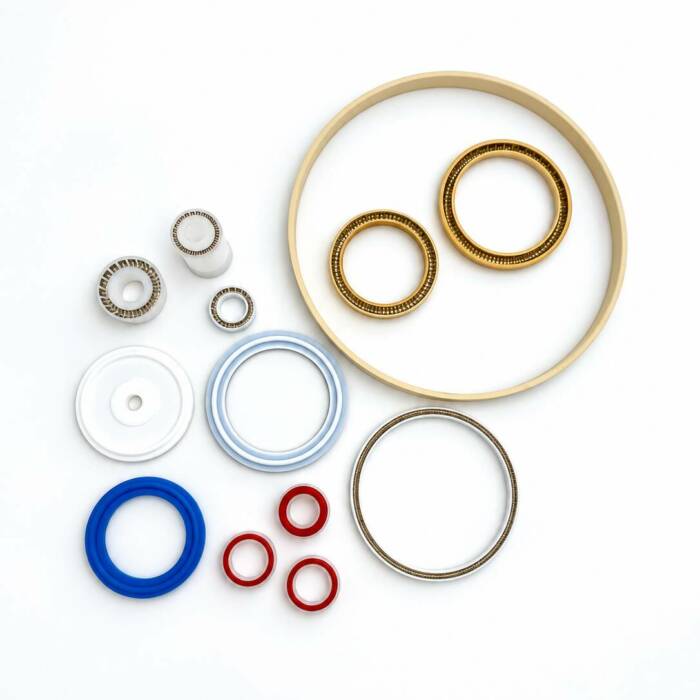
PTFE (polytetrafluoroethylene) is the leading fluoropolymer for industrial seals...
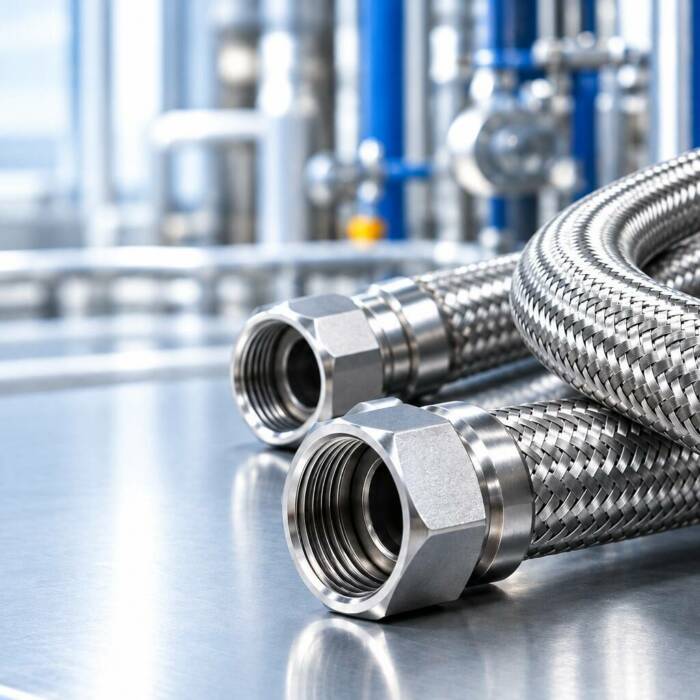
When a system must convey steam, technical gases, cryogenic fluids, or aggressive chemicals,...
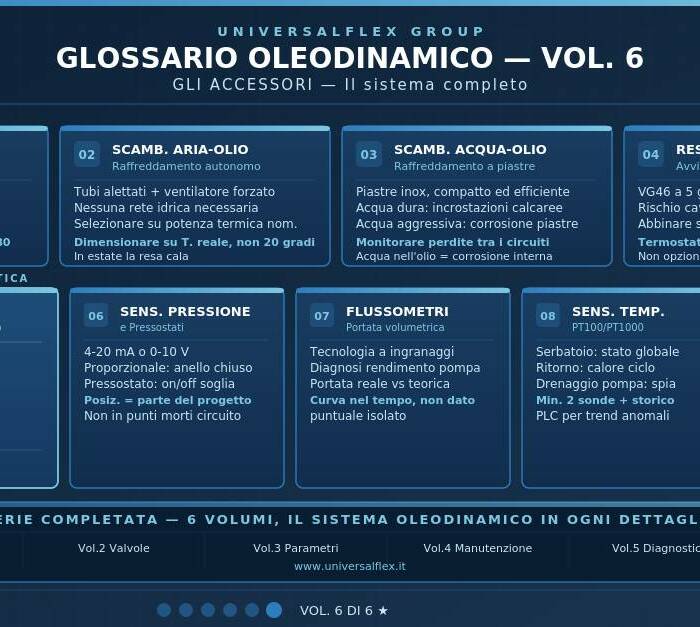
At the beginning of this column, we described the hydraulic system as a living organism: the pump...
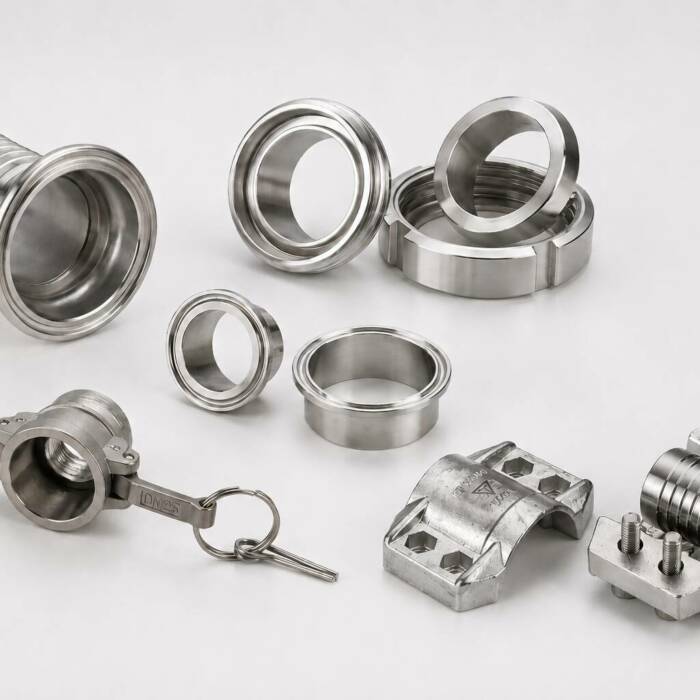
How to choose AISI 304 and 316L stainless steel fittings for plumbing systems...
When designing a pneumatic circuit or replacing a flexible polyamide pipe, the Rilsan® brand represents a point of reference for reliability.
Behind this brand name lie two technically different materials: polyamide 11 (PA11) and polyamide 12 (PA12). Choosing one or the other is not a matter of indifference: operating temperature, chemical resistance, cold behavior, and even the origin of the raw material significantly affect the system's performance.
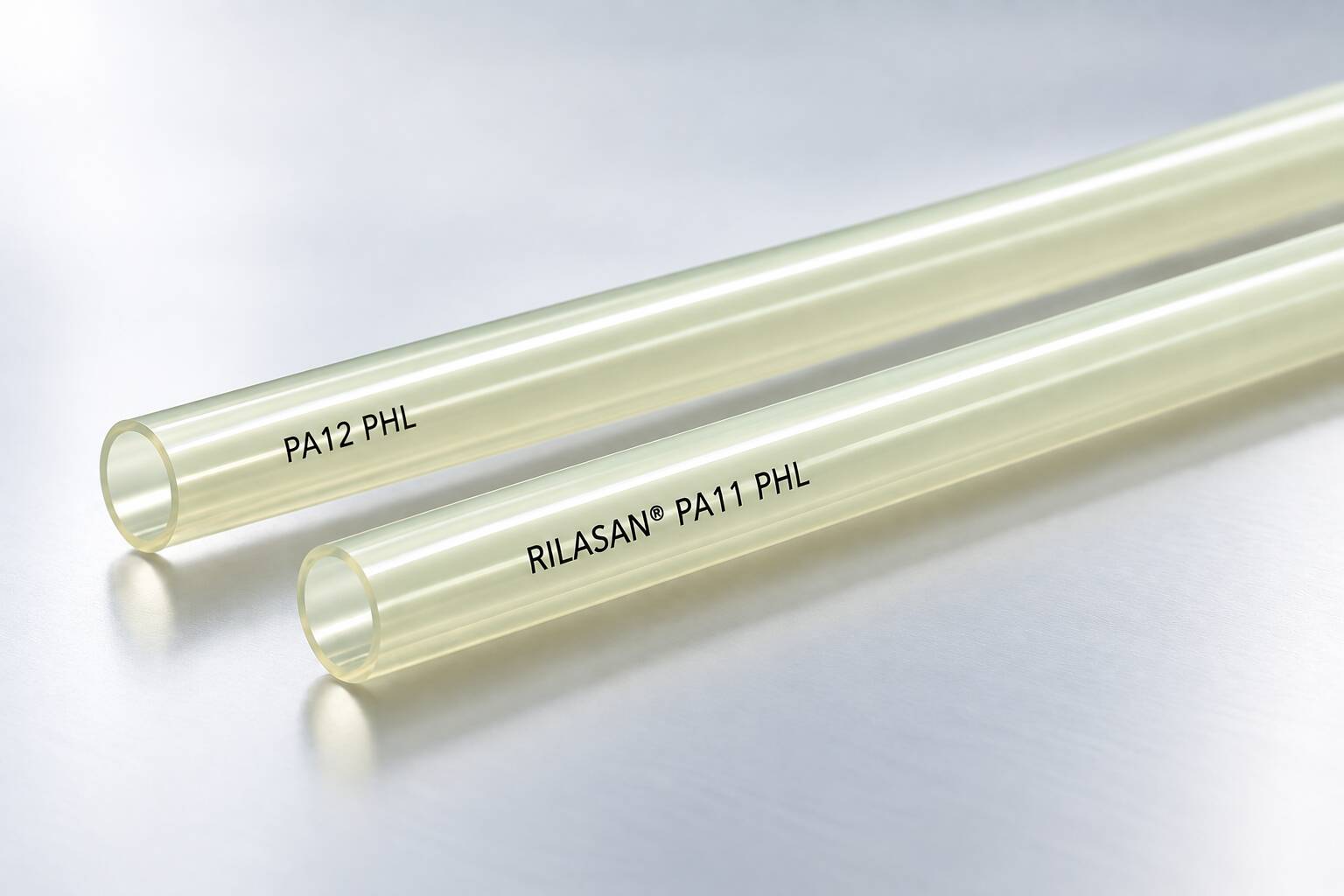
Rilsan® identifies the family of polyamides used for the production of flexible hoses for pneumatic automation, braking systems and the transport of hydrocarbons or technical fluids.
The success of these materials comes from the combination of physical properties that are difficult to find in other thermoplastics:
PA11 is a plant-based polyamide obtained from castor oil. It is a plasticized material stabilized by light and heat, with low moisture absorption. This biological origin directly affects the tube's mechanical properties, particularly its impact resistance at low temperatures.
PA12 is a polyamide with a longer molecular chain than PA11, a characteristic that gives it lower moisture absorption and superior dimensional stability over time. PA12 is also available in a wide range of colors (neutral, black, red, yellow, green, orange, and blue), useful for circuit coding in complex systems.
| Parameter | Rilsan PA11 tube | Rilsan PA12 tube |
| Origin of raw material | Vegetable (castor oil), 100% bio-based | Mainly petrochemical |
| Operating temperature | From -40°C to +80°C | From -40°C to +80°C |
| Operating pressure | From 11 to 40 bar (depending on the diameter) | From 11 to 40 bar (depending on the diameter) |
| Diameter range | 2 to 40 mm | 2 to 40 mm |
| Cold impact resistance | Very high, the strong point of the PA11 | Good, slightly inferior to PA11 at low temperatures |
| Moisture absorption | Reduced | Very low, among the lowest in the polyamide family |
| Chemical and hydrocarbon resistance | Good | Very high, also suitable for harsh environments |
| Resistance to UV rays and atmospheric agents | Good (black version recommended for outdoor use) | High, suitable for prolonged outdoor applications |
| Available colours | Neutral, black, red, yellow, green, orange, blue | Neutral, black, red, yellow, green, orange, blue |
| Reference standards | DIN 74324, DIN 73378 | DIN 74324, DIN 73378 |
| Typical uses | Pneumatic automation, braking systems, low-temperature applications | Compressed air, braking systems, chemical and external environments |
In practice, the selection between Rilsan PA11 and PA12 pipes depends on a combined analysis of some key system factors.
If the system operates predominantly in cold environments or with highly variable temperatures, PA11 offers a greater safety margin thanks to its resistance to cold impact. For applications requiring higher operating temperatures, even with occasional peaks, PA12 represents the best performing solution.
For pneumatic circuits operating at high pressures or under continuous mechanical stress, it is essential to check the pressure table based on the chosen diameter and compare it with the actual operating parameters of the system.
For outdoor installations or those exposed to prolonged sunlight, PA12 offers superior weather resistance, although black PA11 is also suitable for this type of use.
For companies that integrate sustainability criteria into their purchasing specifications, plant-based PA11 represents an option aligned with policies to reduce the footprint deriving from fossil fuels, without compromising on technical performance.
Both materials comply with DIN 74324 and DIN 73378 standards : however, it is always advisable to check the specific technical data sheet of the chosen pipe, in particular for the diameter, thickness and pressure class required by the system.
Universalflex offers a complete range of Rilsan PA11 and PA12 pipes , available in various colors and diameters, with detailed technical data sheets for each product code. Our technical support team assists customers in selecting the most suitable material based on the system's operating conditions, ensuring components comply with industry regulations and offering pre- and post-sales consultancy.
What is the main difference between Rilsan PA11 and PA12 tubes?
The main difference concerns the origin of the raw material and the extreme temperature performance: PA11 is of plant origin and offers superior cold impact resistance, while PA12 guarantees a wider operating temperature range and slightly greater chemical resistance.
Are the Rilsan PA11 and PA12 tubes interchangeable?
In most standard applications, yes, as both meet the same DIN standards. However, for systems with extreme operating conditions (very low or very high temperatures, heavy chemical exposure), it is advisable to check the technical specifications of the individual part number before replacing.
Which Rilsan tube should I choose for a braking system?
Both materials are used in compressed air braking systems. The choice depends on the vehicle's operating climate: for cold environments or with significant temperature variations, PA11 offers greater reliability, while for heavy-duty applications at higher temperatures, PA12 is often preferred.
Is Rilsan PA11 tube really more sustainable than PA12?
PA11 is produced from castor oil, a renewable source, which makes it a preferable choice from the point of view of raw material sustainability compared to a polyamide of predominantly petrochemical origin, given the same technical performance required by the application.
What is the maximum pressure that a Rilsan tube can withstand?
The maximum pressure varies depending on the pipe diameter: for PA11, for example, the operating range is approximately between 11 and 40 bar. It is always necessary to refer to the technical data sheet for the specific code for correct system sizing.
From October 27 to 30, 2026, Fiere di Parma will host Cibus Tec, the...
PTFE (polytetrafluoroethylene) is the leading fluoropolymer for industrial seals...

🚀 We're ready for Cibus Tec 2026! From October 27th to 30th, we'll be there...
When a system must convey steam, technical gases, cryogenic fluids, or aggressive chemicals,...
When designing a pneumatic circuit or replacing a pipe...
Adding {{itemName}} to cart
Added {{itemName}} to cart


