

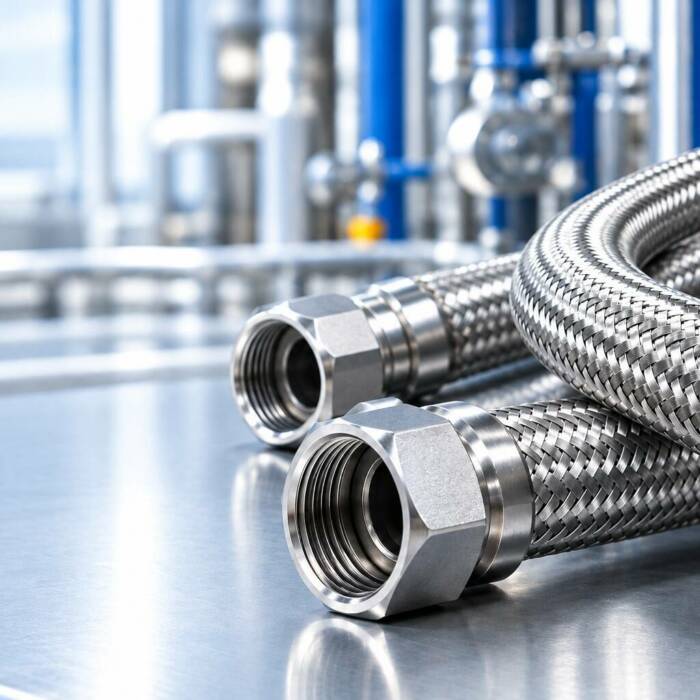
Flexible stainless steel hoses: corrugated, single and double braided, temperatures and applications
When a system must convey steam, technical gases, cryogenic fluids, or aggressive chemicals,...
When a system must convey steam, technical gases, cryogenic fluids, or aggressive chemicals,...
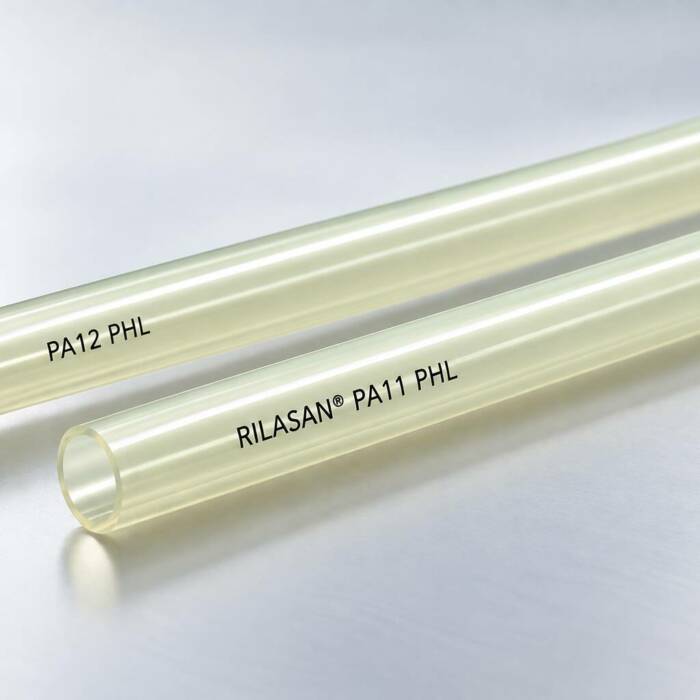
When designing a pneumatic circuit or replacing a pipe...
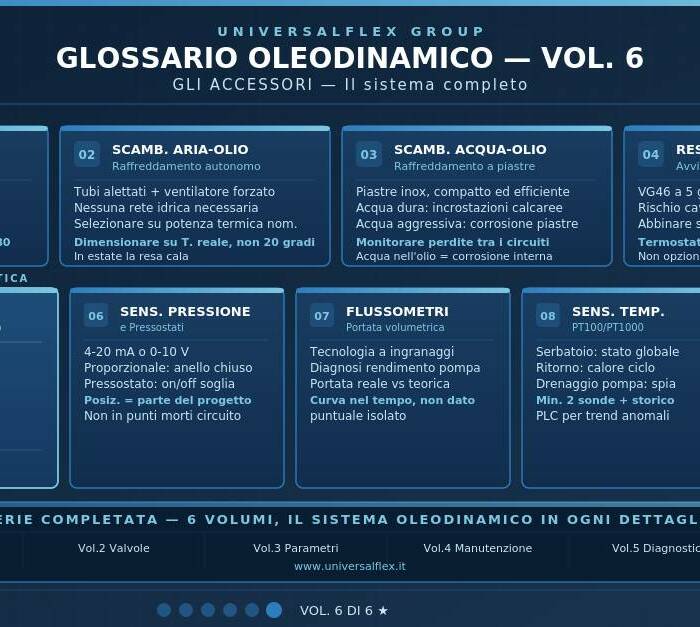
At the beginning of this column, we described the hydraulic system as a living organism: the pump...
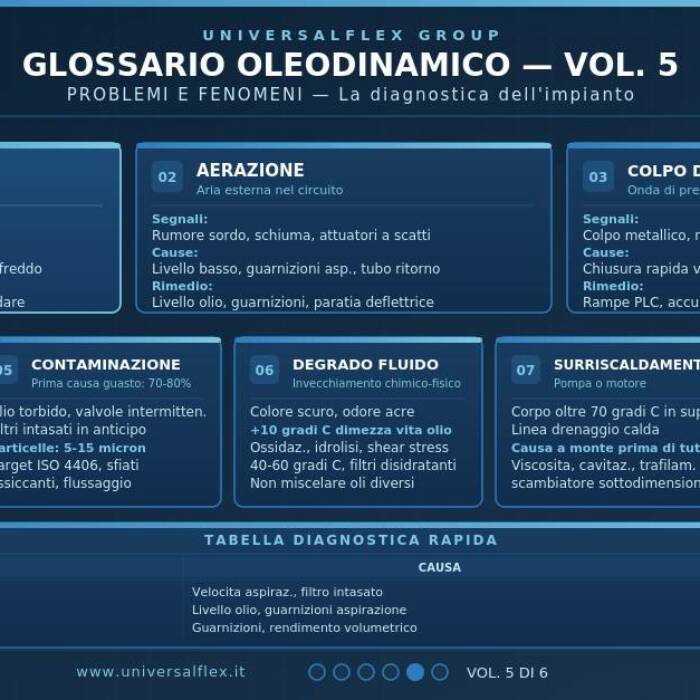
In previous volumes of our Hydraulic Glossary, we built a system piece by piece:...
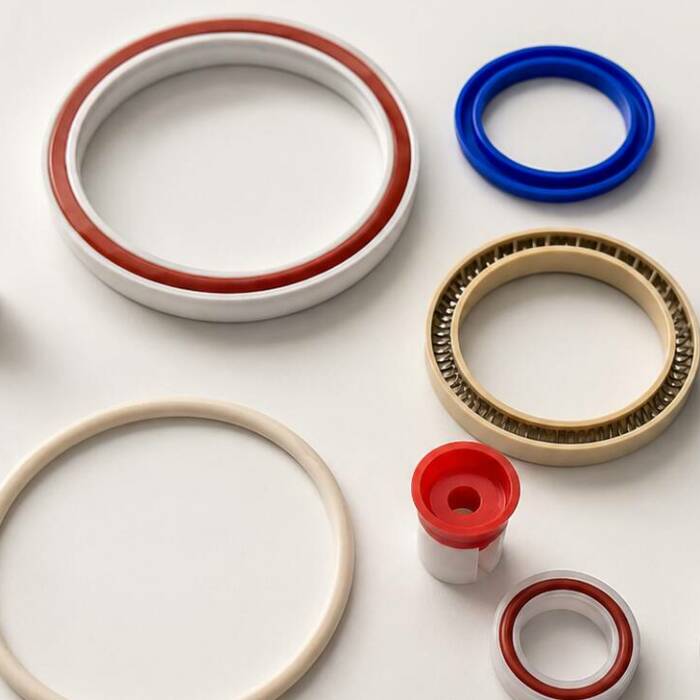
A gasket with a standard profile works in most industrial applications. However, there are...
In high-precision industrial architectures, an inadequate, undersized, or improperly alloyed connection between two sections of piping isn't simply a manufacturing defect: it can directly cause microbiological contamination, high-value product loss, or unexpected line downtime.
For those involved in plant design, technical purchasing or maintenance in the sectors Food & Beverage, Pharmaceutical, Cosmetic and Chemical, the selection of stainless steel connections has gone beyond the dimension of simple catalogue replenishment to become a real engineering and strategic decision.
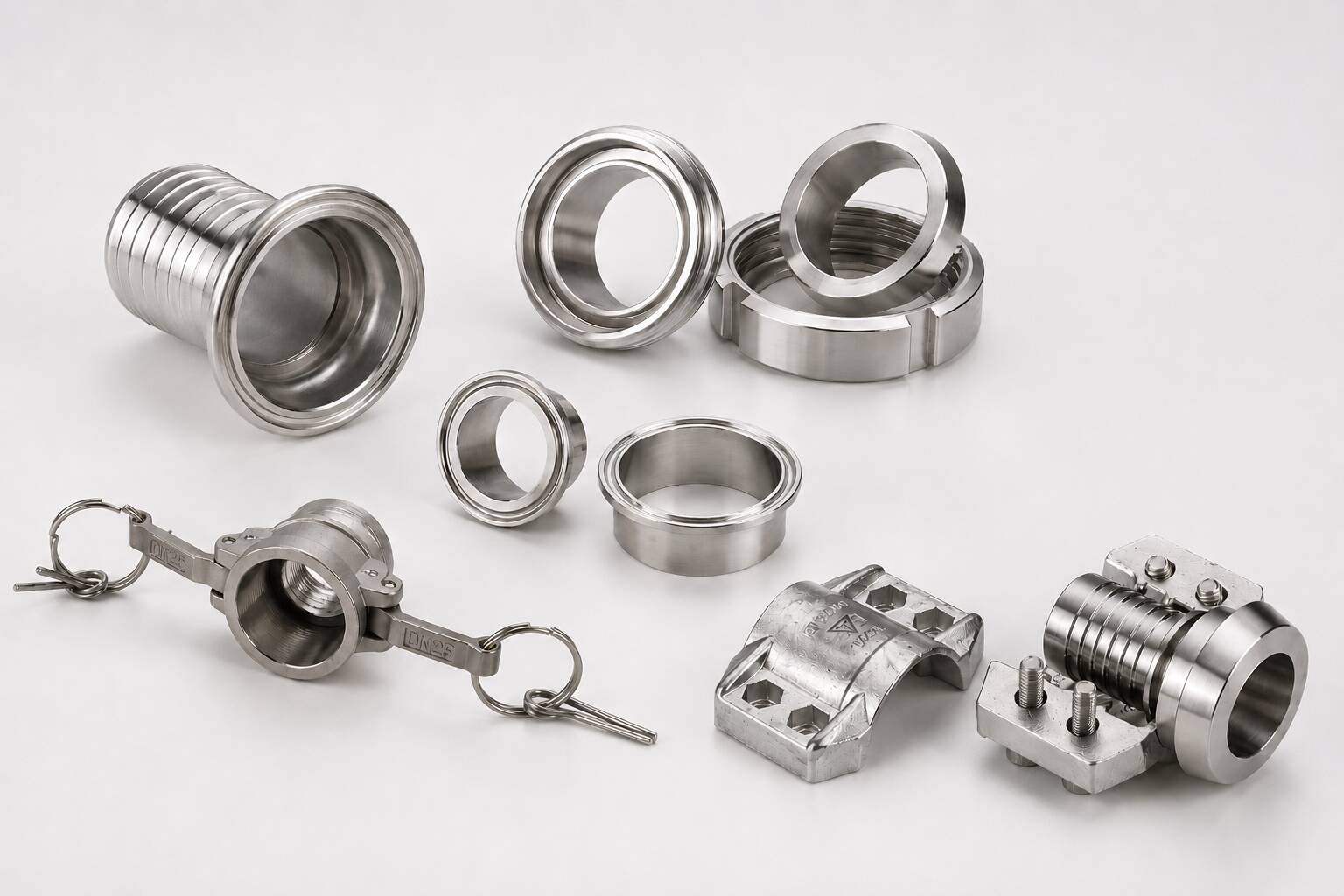
Stainless steel industrial fittings are connecting components designed to connect sections of piping, valves, pumps, and tanks, ensuring flow continuity without compromising the system's sealing. In highly hygienic or chemical-intensive sectors, the fitting must preserve the integrity of the transported product, withstand washing cycles, and maintain its characteristics over time, even under repeated thermal, chemical, or pressure stress.
Unlike other materials, stainless steel combines three fundamental requirements:
This makes stainless steel the gold standard wherever traceability, durability, and regulatory compliance are required, such as in aseptic filling lines, pharmaceutical reactors, CIP/SIP systems, and transfer systems for aggressive chemical fluids.
An undersized fitting or one made of a steel grade incompatible with the fluid handled is one of the most common causes of failure during operation. When designing a system, the choice of fitting must therefore be evaluated together with that of the piping, gaskets, and expected operating conditions, ensuring operational continuity and avoiding costly downtime.
The distinction between AISI 304 and AISI 316 is the first technical crossroads to face when choosing a stainless steel fitting and has a direct impact on costs, durability and application suitability.
AISI 304 is an austenitic stainless steel that offers good corrosion resistance and excellent value. It is suitable for most standard food, drinking water, and utility applications where the fluid handled is not particularly chemically aggressive and the sanitization cycles do not require the use of highly acidic or chlorinated detergents.
Adding Molybdenum (2-3%) in the composition of AISI 316 and the low carbon content of the AISI 316L variant (“L” – Low Carbon) significantly increase its resistance to localised corrosion (pitting), particularly that caused by chlorides. For this reason, AISI 316L is the preferred material in CIP/SIP processes, in ASME BPE compliant pharmaceutical applications and in all contexts where the fitting is exposed to aggressive fluids or frequent and intensive sanitization cycles.
| Feature | AISI 304 (EN 1.4301) | AISI 316L (EN 1.4404) |
| Chemical composition | 18% Cr – 8% Ni | 16% Cr – 10% Ni – 2% Mo |
| Resistance to chlorides and acids | Media | High (Anti-pitting) |
| CIP/SIP sanitization | Mild detergents | Aggressive acids and steam up to 135°C |
| Surface finish (Ra) | ≈0,8 μm (Default) | Up to <0,38 μm (Electropolished) |
| Sectors of choice | Standard Food & Beverage, utility | Bio-Pharma, Dairy, Chemical, Dairy |
Selecting the right fitting means simultaneously evaluating six key technical parameters. Ignoring even one can jeopardize the entire system design.
In the food industry, the choice of fitting is driven by hygiene requirements: preventing microbiological contamination, ensuring the sanitization of the lines, and ensuring compatibility with the product (milk, beer, wine, juices, or process liquids).
Clamp fittings (ISO 2852 / DIN 32676), thanks to their quick, tool-free assembly and internal surfaces free of cracks or stagnant water, are the reference standard for maximum inspectionability. The DIN 11851 and DIN 11864 systems are used in fixed systems where the connection remains stable for long periods, while the SMS and Garolla standards are widely used in the winemaking industry.
Application example: In a continuous-cycle bottling plant, an AISI 316L Clamp fitting allows for the rapid dismantling of a section of the line to replace a gasket, without stopping the entire production process for extended periods.
Every fitting intended for contact with food must comply with the EC Regulation 1935/2004 and EC Regulation 2023/2006 (MOCA), in addition to the standards FDA for non-EU markets. These regulations apply to both metal parts and synthetic gaskets and surface treatments.
In the pharmaceutical industry, technical precision is essential: the connection must guarantee the absolute absence of contamination, as well as full traceability and repeatability of sanitization processes for GMP validation.
Biopharmaceutical applications require internal finishes with roughness Ra less than 0,38 μm, often with electropolishing treatment, to minimize organic adhesion and eliminate any micro-porosity in the surfaces.
Fittings must withstand continuous Cleaning In Place and Sterilization In Place cycles (combining high temperature steam and aggressive detergents). In this context AISI 316L is the mandatory standard and fittings ASME BPE o DIN 11864 They represent the first choice. Each component must be accompanied by metallurgical traceability certificates. 10204 3.1, batch marking and suitable documentation to pass regulatory audits
In the chemical and petrochemical sectors, the priority is chemical resistance and operational safety in the presence of corrosive, toxic or flammable fluids.
The presence of acids and solvents requires a cross-assessment of the metal alloy and gasket compound. In this sector, safety quick-release connections equipped with anti-accidental release levers are widely used:
These systems are designed to ensure rapid and safe operations when transferring liquids and powders from tanks and tankers, even in ATEX-compliant environments or under conditions of high pressure and vacuum.
Application example: When transferring solvents from a tanker to a storage tank, an AISI 316 Camlock fitting with a safety lever prevents accidental release and eliminates the risk of spills that are dangerous for the operator and the environment.
There's no one-size-fits-all solution: the solution depends on the correct combination of all system parameters. Here's a practical checklist to guide the technical office's decision:
In a market where speed of response and technical precision are strategic assets, Universalflex It supports technical offices, designers and maintenance personnel by providing support that goes well beyond simple catalogue supplies.
What is the main difference between AISI 304 and AISI 316 in stainless steel fittings?
AISI 316L contains molybdenum (2-3%) and a reduced carbon content, elements that increase resistance to corrosion from chlorides and aggressive chemicals compared to AISI 304. It is the obligatory choice in the pharmaceutical and chemical sectors and in systems subject to CIP/SIP cycles.
What regulations must stainless steel fittings for the food industry comply with?
They must comply with EC Regulations 1935/2004 and 2023/2006 (MOCA) and, for exports outside the EU, with FDA standards. In the dairy sector, compliance with the 3-A Sanitary standard is also frequently required.
What are clamp fittings and when are they used?
These sanitary fittings can be dismantled manually without the use of tools. Their smooth, leak-free internal surfaces make them ideal for process lines requiring frequent inspection and cleaning.
Why is AISI 316L used almost exclusively in the pharmaceutical sector?
Because it ensures high resistance to continuous steam sterilization (SIP) and acid cleaning (CIP) cycles, also allowing the achievement of very low surface roughness levels (Ra<0,38 μm) prescribed by the ASME BPE standard for GMP validation.
Which stainless steel fittings are suitable for transporting aggressive chemical fluids?
In the chemical sector, AISI 316L fittings are used combined with FKM or PTFE gaskets, in addition to safety quick connection systems such as Camlock, Guillemin or Tankwagen, sized according to the pressure, temperature and danger levels of the fluid.
How do you choose the right stainless steel fitting for an existing system?
It is necessary to cross-reference the fluid characteristics with the temperature and pressure conditions, the applicable industry regulations, the sanitization frequency and the geometric compatibility with the fittings already installed.

In the wine industry, the quality of the final product isn't decided only in the vineyard...

The choice of DIN fittings is fundamental in the design and maintenance of industrial systems....

In sectors where hygiene is a must—such as the food, pharmaceutical, and cosmetic industries...
Adding {{itemName}} to cart
Added {{itemName}} to cart


