

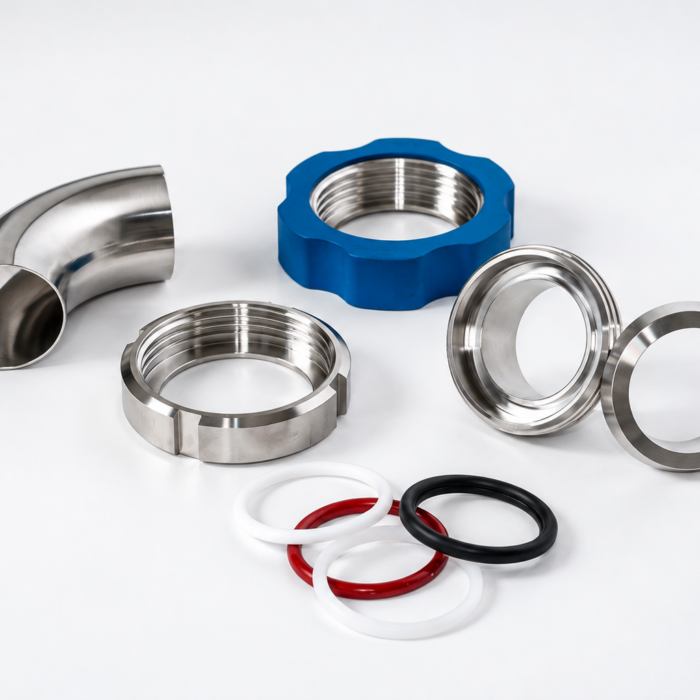
DIN 11851 in the food industry: fittings, gaskets and areas of application
Anyone who works in a dairy, winery, or beverage plant...
Anyone who works in a dairy, winery, or beverage plant...

From October 27 to 30, 2026, Fiere di Parma will host Cibus Tec, the...
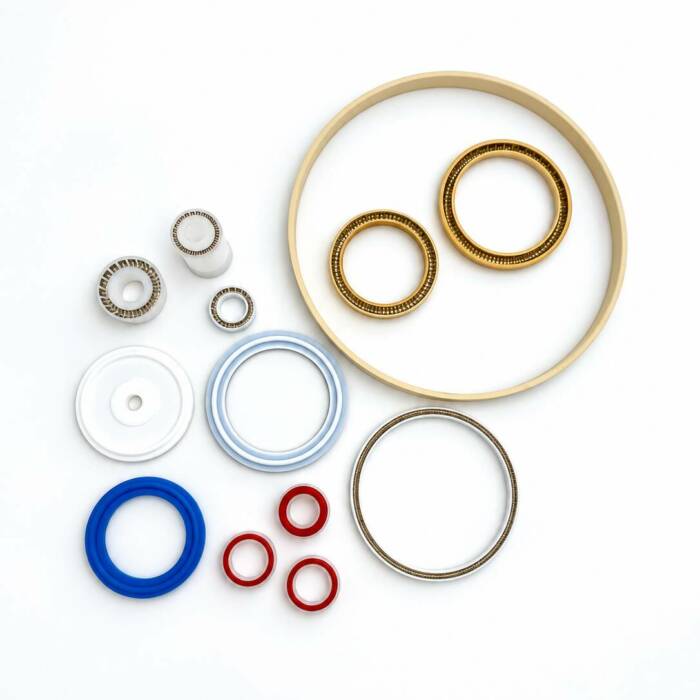
PTFE (polytetrafluoroethylene) is the leading fluoropolymer for industrial seals...
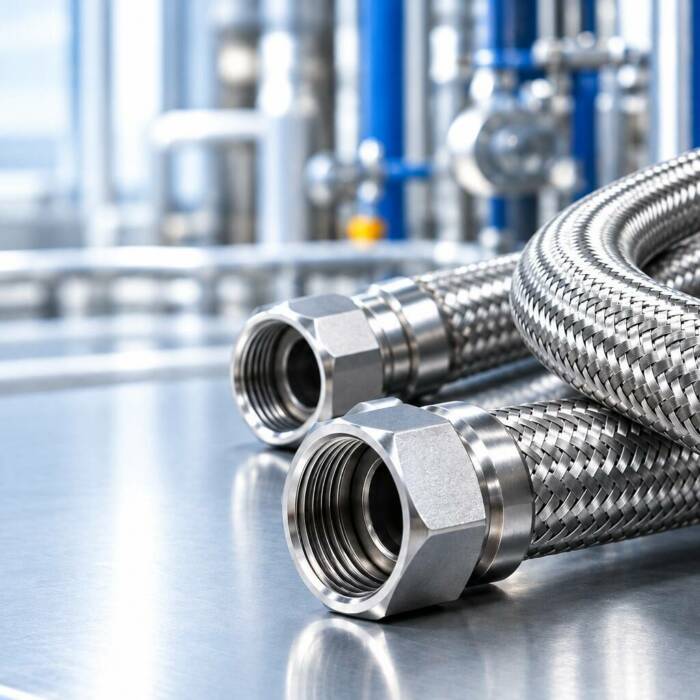
When a system must convey steam, technical gases, cryogenic fluids, or aggressive chemicals,...
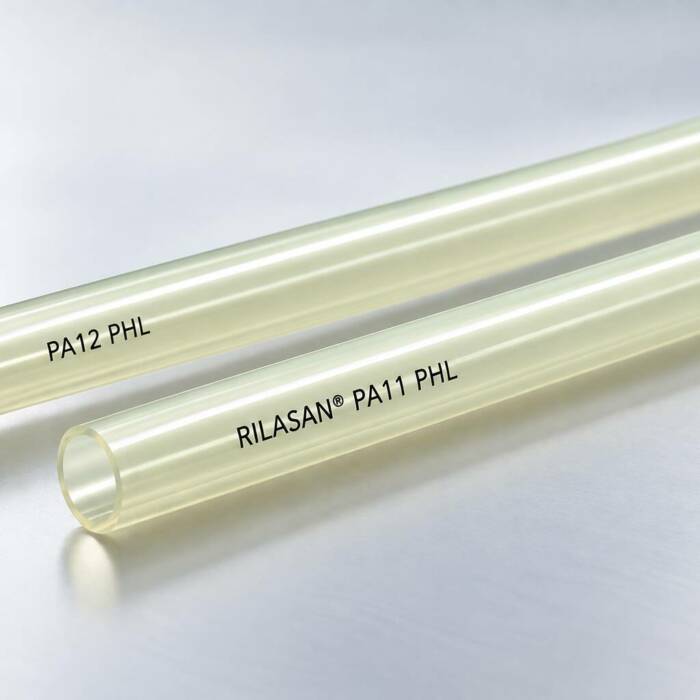
When designing a pneumatic circuit or replacing a pipe...
The cosmetics industry requires high standards of hygiene, safety, and process control. Creams, emulsions, gels, lotions, and semi-dense products require reliable transfer lines that are easy to sanitize and compatible with a wide range of chemicals.
Ensuring the reliability and consistent quality of final products depends on a crucial choice: hoses and fittings suitable for the cosmetics industry . Therefore, the selection must be guided by in-depth technical knowledge and strict compliance with international regulations and certifications. Universalflex guides you through the criteria that define a safe process.
Transfer components must handle products with extremely variable and delicate operating conditions. The main application challenges our hoses address include:
In any context, the use of certified, hygienic pipes made of materials compatible with the products being treated is essential.
There is no single material: the optimal choice depends on the formula, viscosity and cleaning cycles.
PTFE (Polytetrafluoroethylene): the unbeatable for absolute purity
PTFE is among the most sought-after materials for its advanced properties:
It is an ideal solution for processes that require maximum purity and extreme sanitizability.
Silicone: high temperature flexibility
Silicone is useful where movement and thermal resistance are needed:
It is particularly suitable for delicate doses and sensitive products.
Polyethylene (PE): the efficient choice for semi-finished products
Polyethylene offers a more economical solution than silicone and PTFE:
NBR rubber: resistance to oils
NBR rubber offers:
It is a versatile choice for general transfer lines.
In the cosmetics sector, compliance with standards that guarantee the safety of consumers and the production environment is often required:
Universalflex supplies pipes that are fully compliant with these directives, eliminating risks and ensuring maximum safety at every stage of the process.
Some cosmetic products require controlled temperatures to preserve viscosity, stability, and chemical-physical properties.
To meet this need, we supply pipes with electric heating sheath, a solution that allows:
The quality of the connection is as important as that of the piping.
In cosmetics, hygiene is guaranteed by stainless steel and our connection technique:
To ensure the highest level of hygiene, Universalflex supplies pipes already connected by pressing.
This process avoids stagnant areas and ensures:
Choosing tubes and fittings for the cosmetics industry is a decision that directly impacts perceived quality and regulatory compliance.
Thanks to our wide range of materials (PTFE, silicone, polyethylene, NBR) and specialist solutions (hygienic stainless steel fittings and heated hoses), Universalflex is not just a supplier, but your technical partner for manufacturing excellence.
Don't leave your formula to chance. Contact us today for a personalized technical consultation and to design the best transfer line for your plant.
FAQ
1. Which materials are best suited for tubes used in the cosmetics industry and why?
In the cosmetics industry, the leading materials are PTFE, silicone, polyethylene, and NBR rubber. PTFE is preferred for its maximum chemical resistance and non-stick properties, crucial for creams and oils. Silicone excels in flexibility and high temperature resistance, while NBR rubber is the optimal choice for oil-based products.
2. Why is it important to use 316L stainless steel hygienic fittings in the cosmetics industry?
Fittings such as the BS and DIN Clamp in 316L stainless steel They guarantee maximum hygiene, corrosion resistance and compatibility with cosmetic processes that require high standards of cleanliness.
Universalflex's use of the pressed fitting eliminates stagnant areas (crevice-free), ensuring an aseptic finish and greater safety throughout the line.
3. Can cosmetic tubes maintain product temperature?
Yes. Universalflex offers hoses with electric heating sheath to maintain the constant temperature of thermolabile creams, gels and emulsions.
This solution is essential to preserve viscosity, prevent product spoilage, and optimize process continuity.
Anyone who works in a dairy, winery, or beverage plant...
From October 27 to 30, 2026, Fiere di Parma will host Cibus Tec, the...
PTFE (polytetrafluoroethylene) is the leading fluoropolymer for industrial seals...

🚀 We're ready for Cibus Tec 2026! From October 27th to 30th, we'll be there...
When a system must convey steam, technical gases, cryogenic fluids, or aggressive chemicals,...
Adding {{itemName}} to cart
Added {{itemName}} to cart


